



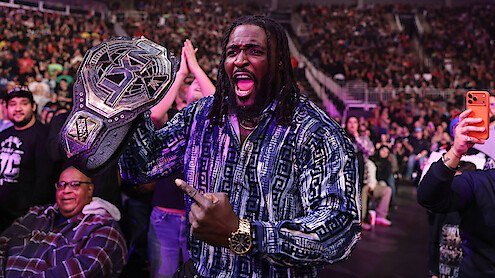
Introduction to Oba Femi
Oba Femi Height is a prominent cultural figure whose influence extends across various facets of society. Renowned for his leadership within his community, he plays a crucial role in preserving and promoting cultural heritage. Empowered by his dedication to community development, Oba Femi serves as a beacon of hope and guidance for many, advocating for social justice, education, and cultural renaissance. oba femi height
In many respects, Oba Femi Height stature, quite literally, has garnered attention. The interest in his height is not merely superficial; it symbolizes the deeper dimensions of his character andoba femi height presence. Standing tall both in physicality and in character, Oba Femi’s height has become a part of the narrative that surrounds him, representing his unwavering commitment to uplifting his community. This perceived height is often interpreted as an extension of his leadership qualities, emphasizing his capability to engage with individuals from all walks of life. oba femi height
Oba Femi’s contributions have not gone unnoticed. His height, both in terms of physical measurement and as a metaphor, showcases the significance of strong leadership in a rapidly changing world. As we delve further into Obo Femi height, it is essential to understand the qualities, values, and initiatives that he embodies, shaping the cultural and societal landscapes around him. The exploration of this topic opens doors to a multitude of discussions surrounding identity, representation, and the vital role that stature plays in influencing perception and achieving respect in various communities.
The Significance of Height in Cultural Contexts
Height has been a subject of fascination and significance across various societies throughout history. In many cultures, it is often associated with leadership, authority, and presence. This correlation stems from the belief that taller individuals command more respect and have a stronger presence, leading to perceptions of competence and capability. When considering prominent figures such as Oba Femi, the emphasis on height becomes particularly striking, as it plays a crucial role in shaping public perception.
In traditional societies, leaders are frequently depicted as tall and imposing figures. This is not merely a random characteristic; rather, it reflects deep-seated societal norms and cultural values that equate height with strength and power. Historical evidence illustrates this connection; for instance, many ancient rulers were often chosen or celebrated for their stature as much as their leadership qualities. This practice continues in some cultures where height is still mistaken for authority, leading to a preference for taller leaders in political and social structures.
The implications of height are pervasive in contemporary society as well. Height can influence factors such as hiring decisions, leadership opportunities, and even social interactions. For instance, studies have suggested that taller individuals, including figures like Oba Femi, are often viewed as more authoritative and persuasive. This societal bias can create barriers and advantages, impacting the dynamics of leadership in multifaceted ways.
The relationship between height and social status prompts an examination of why such perceptions exist and their implications for both individuals and communities. As we delve deeper into the cultural significance of height, it becomes increasingly clear that it is not just a physical characteristic but a powerful factor that shapes the landscape of leadership and societal engagement.
Various Sources and Measurements of Oba Femi’s Height
The height of Oba Femi is a topic of interest, often discussed across various platforms, ranging from scholarly articles to social media posts. The accuracy of these reported figures, however, varies significantly, highlighting the need for careful examination of sources. Traditional measurements are sometimes complemented by historical records, which may not adhere to contemporary standards of reliability.
One common source of information is biographies or autobiographies where family members or close associates might provide insights into Oba Femi’s stature. While these accounts can offer valuable anecdotes, they are also subject to influence by personal biases or exaggerations. Conversely, official documents such as census data may present more standardized measurements, yet even these can vary in accuracy due to reporting errors or changes over time.
Additionally, discrepancies in reported heights often emerge due to differences in measurement methods. For example, some records may cite heights during different stages of Oba Femi’s life, while others might rely on outdated or informal measuring techniques. Furthermore, cultural practices can influence how height is recorded in literature about him, potentially leading to varying interpretations of his stature across different texts.
Therefore, when researching Oba Femi’s height, it is crucial to consider the reliability of sources. Peer-reviewed publications and academic studies tend to provide more rigorous methodologies compared to unofficial accounts or social media discussions. By critically evaluating the methods used to gather height data and understanding the context presented across various records, one can gain a more nuanced understanding of Oba Femi’s height.
Public Perception and Media Representation of Oba Femi’s Height
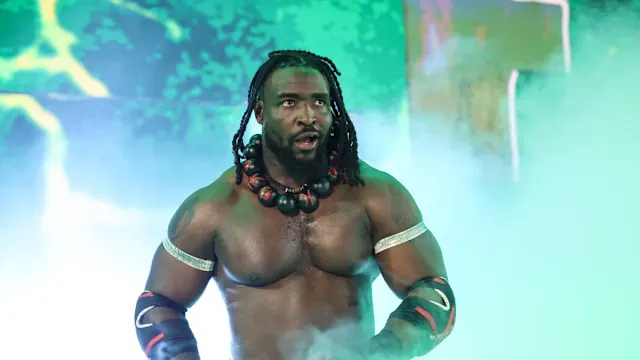
The narrative surrounding Oba Femi’s height has been shaped significantly by media portrayal and public perception. Height, often regarded as a symbol of power and authority, can greatly influence how individuals are perceived in leadership roles. In the case of Oba Femi, his height is not merely a physical attribute; it plays a crucial role in the visual dynamics of his public appearances. Media representation often accentuates such attributes, portraying leaders as more formidable or charismatic when they fit cultural ideals. This perception can impact their reception among both the general public and their peers.
The way Oba Femi’s height is referenced in various forms of media, including articles, interviews, and social media platforms, has contributed to a broader understanding of his persona. When images of him are shared, for instance, the focus on his stature may evoke notions of strength or confidence, which are ideal traits for someone in his position. This can create a feedback loop where increased representation manifests more admiration, further embedding the concept of height as a noteworthy characteristic of Oba Femi.
Furthermore, the influence of height on public engagements cannot be overlooked. In gatherings and ceremonial events, individuals of greater stature often command attention, leading to a more significant presence. This phenomenon resonates with the psychology of crowd dynamics, where attendees may subconsciously equate height with leadership qualities. Therefore, the public narrative crafted around Oba Femi’s height carries profound implications—not just for his image but also for the expectations placed upon him as a leader.
In conclusion, the media’s portrayal of Oba Femi height resonates deeply with cultural values surrounding leadership. Such perceptions may have lasting implications on his legacy, shaping how future generations view not only his contributions but also the physical traits that contributed to his public image.
