



Early Life and Birth Details
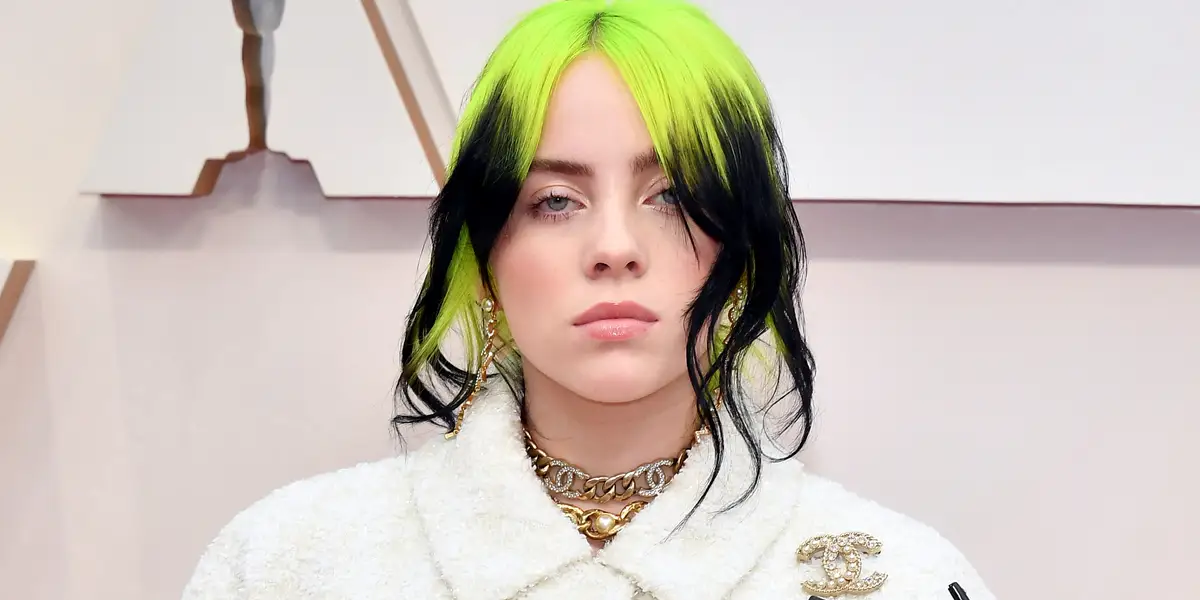
billie eilish age was born on December 18, 2001, in Los Angeles, California. Raised in a creative environment, she was heavily influenced by her family’s artistic background. Her parents, Maggie Baird and Patrick O’Connell, both possess artistic talents; her mother is a teacher and a musician, while her father is an actor and a composer. This nurturing atmosphere played a crucial role in shaping Eilish’s passion for music from a very young age.
Growing up, Billie Eilish was surrounded by a wide range of musical genres, which sparked her interest and creativity. From a tender age, she was introduced to music through various forms, such as singing, songwriting, and even composing her tracks. It was billie eilish ageduring her childhood that she began to hone her unique sound, which would later captivate millions around the world. Her early exposure to different music styles allowebillie eilish age her to experiment and blend billie eilish agegenres, contributing to her distinctive sound that we recognize today.
As Eilish matured, she became increasingly involved in her musical journey. In 2015, she released her debut single, “Ocean Eyes,” which was written and produced by her brother, Finneas O’Connell. This collaboration not only highlighted her talent at a young age but also marked the beginning of her ascent in the music industry. Billie Eilish’s age at thbillie eilish agee time, merely 13 years, reflects her early start and commitment to her craft, demonstrating that she was destined for greatness even in her formative years.
Billie Eilish Age Milestones in Her Career
Billie Eilish, born on December 18, 2001, began her ascent in the music industry at a remarkably young age. At just 14 years old, she released her debut single, “Ocean Eyes,” which quickly gained traction on platforms like SoundCloud, establishing her as a fresh voice in the contemporary music scene. This initial success marked the first significant milestone in her career, showcasing her ability to craft alluring melodies coupled with poignant lyrics, despite her young age.
By the time she turned 15, Eilish had already released her debut EP, “Don’t Smile at Me,” in 2017. The EP captured the attention of both fans and critics alike, featuring hits such as “Bellyache” and “Idontwannabeyouanymore.” Its commercial success propelled her into the spotlight, achieving over a billion streams on Spotify, and further solidifying her presence in the music industry, all while she was still navigating her teenage years.
As she continued to grow artistically, Eilish reached new heights upon the release of her first studio album, “When We All Fall Asleep, Where Do We Go?” in 2019. At the tender age of 17, she achieved a remarkable feat by sweeping the Grammy Awards, winning three major awards: Album of the Year, Song of the Year, and Record of the Year. This achievement not only underscored her songwriting prowess and vocal talent but also highlighted how profoundly Eilish, despite her age, impacted the music landscape. The accolades she received during her formative years illustrate the noteworthy correlation between Billie Eilish’s age and her rapid rise to fame, setting a new standard for young artists in the industry.
Public Perception of Billie Eilish’s Age
Billie Eilish, at a remarkably young age, has become a prominent figure in the music industry. Her age has undeniably influenced public perception, creating a dual narrative that highlights both her youth and the depth of her artistry. When Eilish first burst onto the scene as a teenager, many in the public and media noted her age as a defining characteristic. This focus often accompanies age-related stereotypes, suggesting that youthful artists may lack experience or substance in their work. However, Eilish has consistently challenged these expectations through her poignant songwriting and mature thematic exploration.
Contrasting her youthful appearance with the rich layers of her lyrical content has generated intrigue among fans and critics alike. While her age suggests innocence and naivety, her songs delve into complex emotions such as anxiety, heartbreak, and existentialism. This juxtaposition allows her to resonate deeply with a generation grappling with similar issues, fostering a sense of relatability that transcends the typical boundaries set by age. By addressing topics that many young people experience, Eilish has forged a remarkable connection with her audience, showcasing that age does not determine the depth of one’s insight or ability to craft meaningful narratives.
Moreover, Eilish’s age has granted her a unique platform to advocate for pressing social issues, further shaping her public image. Her engagement with topics such as mental health, body positivity, and environmental conservation demonstrates a sense of responsibility that resonates strongly with her fans. As a young artist, Eilish uses her influence to encourage conversations around these vital issues, positioning herself not only as a musician but also as a role model. Ultimately, Billie Eilish’s age is more than just a number; it plays a crucial role in shaping her identity and legacy within the evolving landscape of the music industry.
Future Prospects and Billie Eilish’s Age in Context
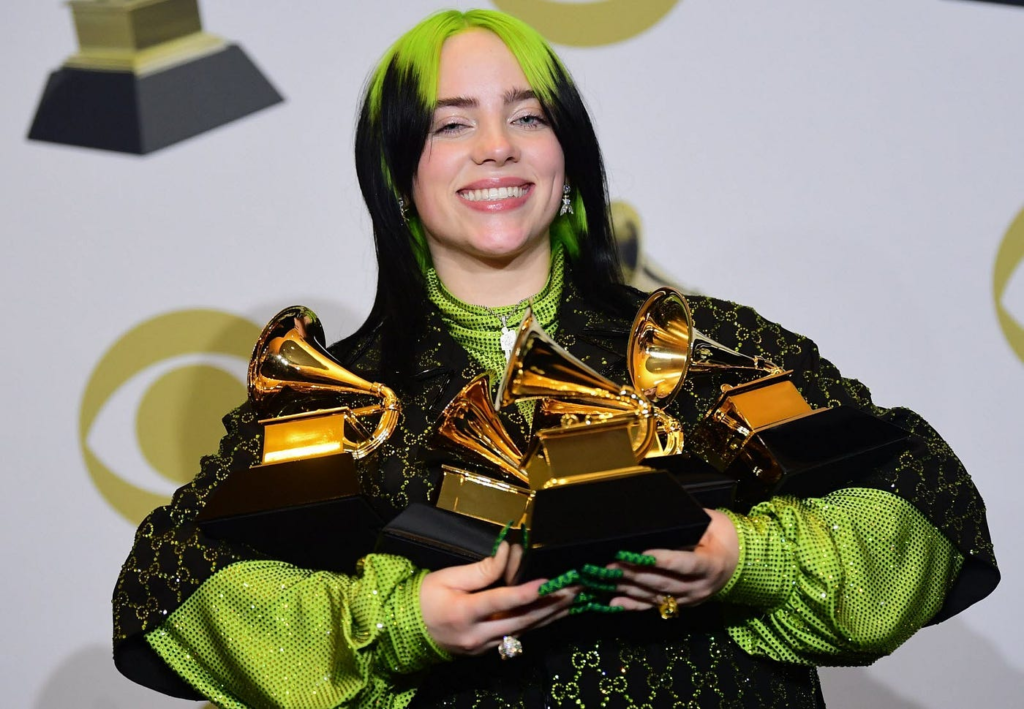
Billie Eilish, at the relatively young age of 21, has already established herself as a formidable presence in the music industry. Her age has played a significant role in her artistic journey, influencing her songwriting, public persona, and the themes present in her music. As she continues to evolve, both personally and professionally, the implications of her youth will be crucial in shaping her future endeavors.
One of the most significant opportunities presented by Eilish’s age is her potential for continued growth as an artist. The transition from adolescence to adulthood often brings a maturation process that can manifest in lyrical content and musical experimentation. As she ages, Eilish may choose to explore diverse genres or subjects in her music, reflecting her experiences and personal changes. This journey might resonate deeply with her audience, enabling her to maintain and possibly even expand her fanbase.
However, the challenges of navigating the music industry as a young artist cannot be understated. Billie Eilish’s age may expose her to scrutiny regarding her emotional and mental health, as well as the pressures associated with fame. The evolution of her career will require her to balance her artistic integrity with commercial expectations. This balancing act poses significant challenges, particularly in an industry that often emphasizes conformity over individual expression.
Moreover, asbillie eilish age, societal expectations may shift, which could pose pressures that influence her work. Yet, her ability to remain authentic to her personal narrative will be central to how she connects with fans as she ages. In conclusion, Billie Eilish’s future in the music industry will undoubtedly be shaped by her age, experiences, and evolving artistic vision, presenting both exciting opportunities and significant challenges along the way.
