



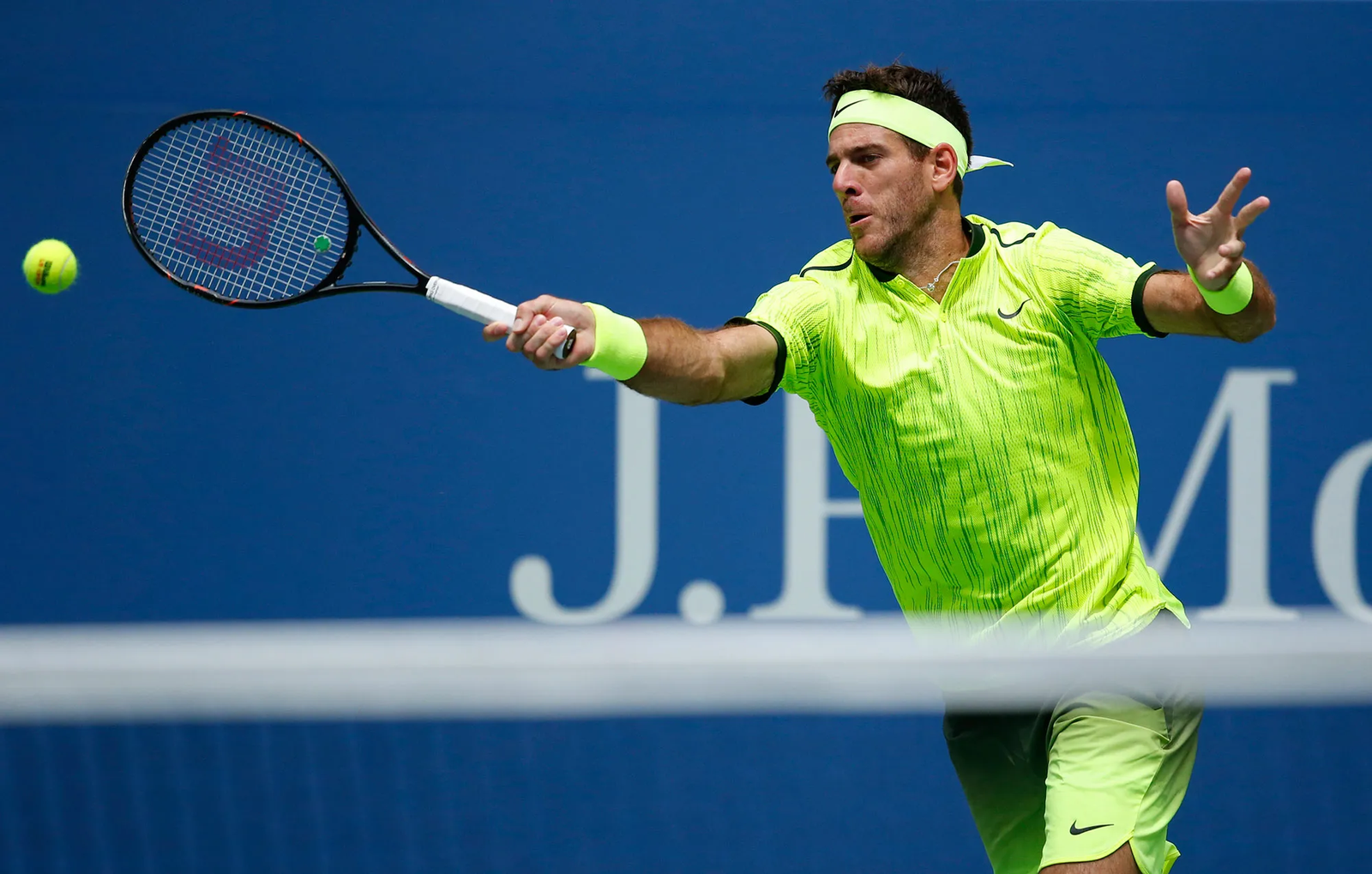
Early Life and Tennis Beginnings
Juan Martin Del Potro was born on September 23, 1988, in Tandil, Argentina, into a family that recognized and nurtured his nascent talent. His father, a businessman, and his mother, an educator, provided a balanced environment that fostered both competitive spirit and academic diligence. From an early age, the young Del Potro showed an unusual affinity for sports, particularly tennis, which he began playing at the age of seven.
Del Potro’s early introduction to tennis was inspired by the sport’s popularity in Argentina, buoyed by the achievements of legendary players such as Gustavo Kuerten and Guillermo Vilas. His considerable talent soon drew attention, as he quickly ascended through the ranks in junior tournaments. During this formative period, Del Potro amassed notable achievements, including victories at the prestigious Orange Bowl in 2004, which significantly bolstered his confidence and ambition to pursue a professional career.
In tandem with his growing success, several coaches played a pivotal role in Del Potro’s development, most notably Ricardo Acuña, who helped refine his powerful serve and aggressive playing style. The unwavering support from his family was equally crucial, as they made sacrifices to ensure he could train and compete at higher levels. This backing was instrumental in his decision-making, enabling him to travel abroad for competitions and training camps, ultimately setting him on a path toward becoming a professional athlete.
By the age of 18, Juan Martin Del Potro was poised to transition from junior events to the demanding arena of professional tennis. His undeniable talent, coupled with a steadfast work ethic, foreshadowed the remarkable career that lay ahead, paving the way for him to become one of Argentina’s most celebrated sports figures.
Rise to Prominence
Juan Martin Del Potro, a name that resonates strongly in the world of tennis, made his initial stride into professional tennis with remarkable determination and skill. Born in Tandil, Argentina, he showcased his exceptional talent early on, capturing attention with his powerful forehand and towering serve. As he progressed through the junior circuit, Del Potro’s potential was evident, setting the stage for his breakthrough onto the ATP tour.
In the early stages of his professional career, Del Potro quickly made a name for himself with a series of impressive performances in ATP tournaments. His first significant victory came in 2008 when he won his first ATP title in Stuttgart. This win not only boosted his confidence but also marked him as a young player to watch. His style of play, characterized by aggressive baseline rallies and an ability to dominate from the back of the court, complemented his physical attributes—towering at 6’6″, Del Potro combined height with a remarkable reach, allowing him to hit powerful shots that overwhelmed opponents.
The peak of his early career culminated in 2009 when Juan Martin Del Potro captured the attention of the global tennis audience by winning the prestigious U.S. Open. This historic victory over Rafael Nadal in the semifinals and then Roger Federer in the final showcased not only his immense talent but also his resilience. Securing the title marked a new chapter in his career, as he ascended into the upper echelons of the ATP rankings, becoming the first Argentine man to win a Grand Slam singles title since 1977. Del Potro’s journey proves that determination, combined with natural talent, can lead to remarkable achievements in the sport of tennis.
Challenges and Comebacks
Juan Martin Del Potro’s illustrious tennis career has been marked not only by spectacular victories but also by significant challenges, particularly injuries that threatened to derail his progress. Throughout his journey, Del Potro faced a series of debilitating physical setbacks, the most notable being wrist injuries that plagued him for several years. These injuries not only affected his performance on the court but also tested his mental strength and resilience.
In 2010, Del Potro won his first Grand Slam title at the US Open, but the elation was soon overshadowed by a wrist injury that sidelined him for a considerable time. His attempt to return to the top of the sport was characterized by relentless rehabilitation and the need to adapt his playing style. The world of tennis, although competitive, witnessed the unwavering determination of Del Potro as he worked tirelessly to regain his form, often sharing updates with his supporters and maintaining their morale.
The journey back was fraught with obstacles, with Del Potro enduring multiple surgeries and lengthy recovery periods. Each setback not only affected his physical capabilities but also tested his mental resilience. He leaned heavily on the support of his fans and the tennis community, which rallied around him during the toughest periods of his rehabilitation. Their encouragement provided a vital emotional boost, proving that the bond between an athlete and their supporters can profoundly impact a player’s drive to overcome adversity.
Del Potro’s tenacity was on full display during his remarkable comeback in 2017 when he won the title at the prestigious Indian Wells, signifying his return to elite-level tennis. This achievement was a testament to his hard work, illustrating the spirit of a champion whojuan martin del potro refused to give up despite the odds stacked against him. His story serves as an inspiration to many, proving that challenges are an integral part of any journey, and it is the ability to rise after a fall that defines a true sports legend.juan martin del potro
Legacy and Impact in Tennis

Juan Martin Del Potro remains a formidable figure in the landscape of professional tennis, leaving an indelible mark on the sport. His career, characterized by tenacity and remarkable achievements, is a testament to his dedication and passion for tennis. With a career-high ATP ranking of world number three, Del Potro has not only showcased his extraordinary talent on the court but has also become a symbol of inspiration for many aspiring athletes.
Beyond his impressive statistics and various accolades, Del Potro is celebrated for his sportsmanship and humility. His demeanor on the court reflects a profound respect for opponents and the game itself. This attitude has garnered admiration from fans and fellow players alike, allowing him to bridge gaps between generations of tennis enthusiasts. Many consider him a role model due to the way he carries himself in both victory and defeat, embodying the spirit of fair play that resonates with the principles of sports.
Del Potro’s influence extends beyond his tennis prowess to his philanthropic efforts. Engaging in charitable activities, he has often used his visibility to advocate for causes dear to his heart. Through his foundation, he has aimed to provide opportunities for underprivileged children, showcasing his commitment to giving back to society. This aspect of his legacy highlights the importance of athletes using their platforms for social good, setting an example for new generations of players.
As the tennis community reflects on Juan Martin Del Potro’s journey, his unique contributions to the sport become evident. His resilience in overcoming career-threatening injuries to make comebacks serves as a powerful narrative in tennis history. Del Potro’s compelling story, coupled with his engaging personality, has secured him a special place in the hearts of fans, ensuring that his legacy will endure long after he hangs up his racquet.
