



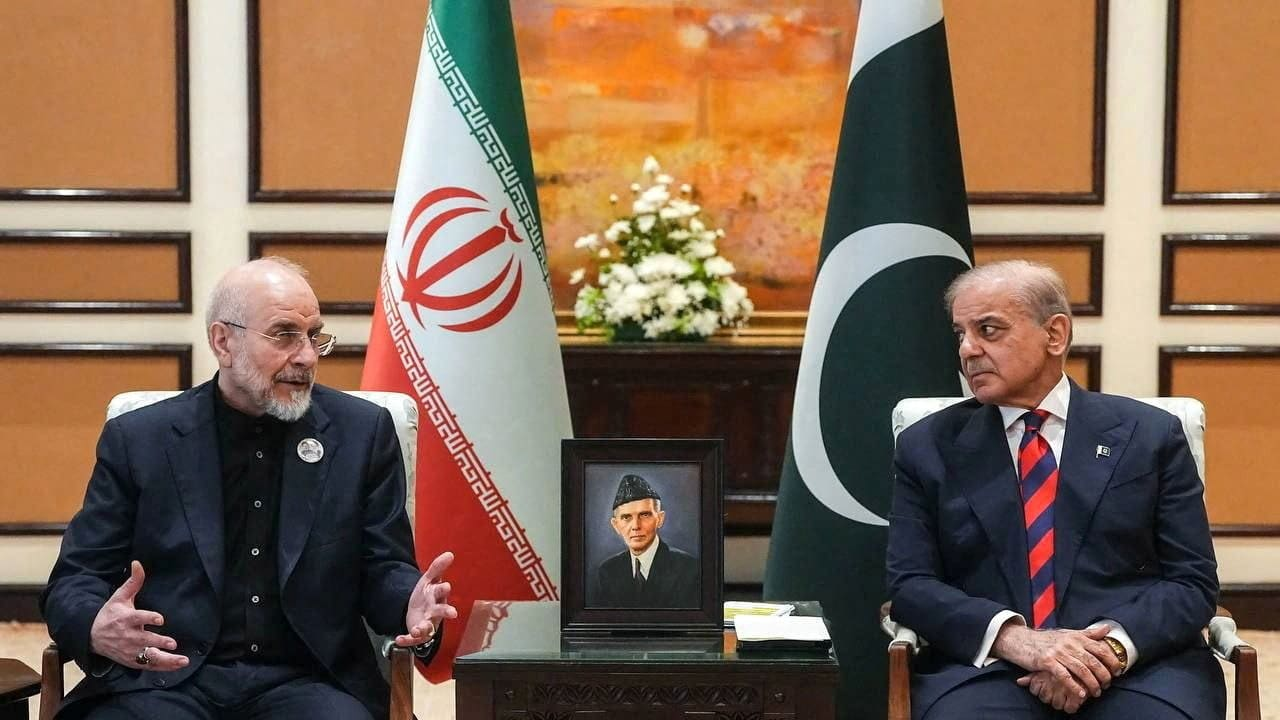
The topic “iran ceasefire” is gaining global attention as tensions in the Middle East continue to affect international politics, security, and the economy. The situation involving Iran and global powers has led to discussions about ceasefire agreements aimed at reducing conflict.
In this detailed article, we will explain the Iran ceasefire, its background, reasons, current situation, and possible future outcomes.
What Is the Iran Ceasefire?
The Iran ceasefire refers to a temporary halt in military conflict between Iran and opposing forces, including countries like United States and its allies.
A ceasefire does not mean the conflict is fully resolved. Instead, it is:
- A pause in fighting
- A chance for negotiations
- An effort to reduce damage and casualties
Background of the Conflict
To understand the Iran ceasefire, it is important to look at the long-standing tensions in the region.
Key factors include:
- Political disagreements between Iran and Western countries
- Economic sanctions placed on Iran
- Military presence in the Middle East
- Regional conflicts involving multiple nations
These issues have built up over many years, leading to repeated periods of tension and temporary calm.
Why a Ceasefire Was Needed
The Iran ceasefire became necessary due to rising risks of a larger conflict.
Main reasons:
1. Increasing Military Activity
There were reports of:
- Missile strikes
- Naval tensions
- Military build-ups
2. Economic Impact
The conflict affected global markets, especially oil supply, since the region is critical for energy trade.
3. Global Pressure
Many countries pushed for peace to avoid a wider war that could affect the entire world
Current Situation of the Iran Ceasefire
The situation around the Iran ceasefire remains uncertain.
- Negotiations are ongoing
- Both sides are cautious
- Tensions have reduced slightly but not fully ended
The ceasefire is often described as fragile, meaning it could either improve or collapse depending on future actions.
Role of Diplomacy
Diplomatic efforts are central to maintaining the Iran ceasefire.
Countries in the region, including Pakistan, have been involved in:
- Hosting discussions
- Acting as mediators
- Encouraging peaceful solutions
Diplomacy helps prevent escalation and promotes dialogue.
Challenges to the Ceasefire
Even with a ceasefire, several challenges remain:
1. Lack of Trust
There is a long history of conflict, making it difficult for both sides to fully trust each other.
2. Ongoing Sanctions
Economic sanctions against Iran continue to create tension.
3. Military Presence
Troops and military forces remain active in the region.
4. Regional Conflicts
Other conflicts in nearby areas add complexity to the situation.
Global Importance of the Iran Ceasefire
The Iran ceasefire is important not only for the Middle East but for the entire world.
1. Oil Supply
The region plays a major role in global oil production and transportation.
2. World Economy
Any conflict can lead to:
- Rising fuel prices
- Inflation
- Economic instability
3. International Security
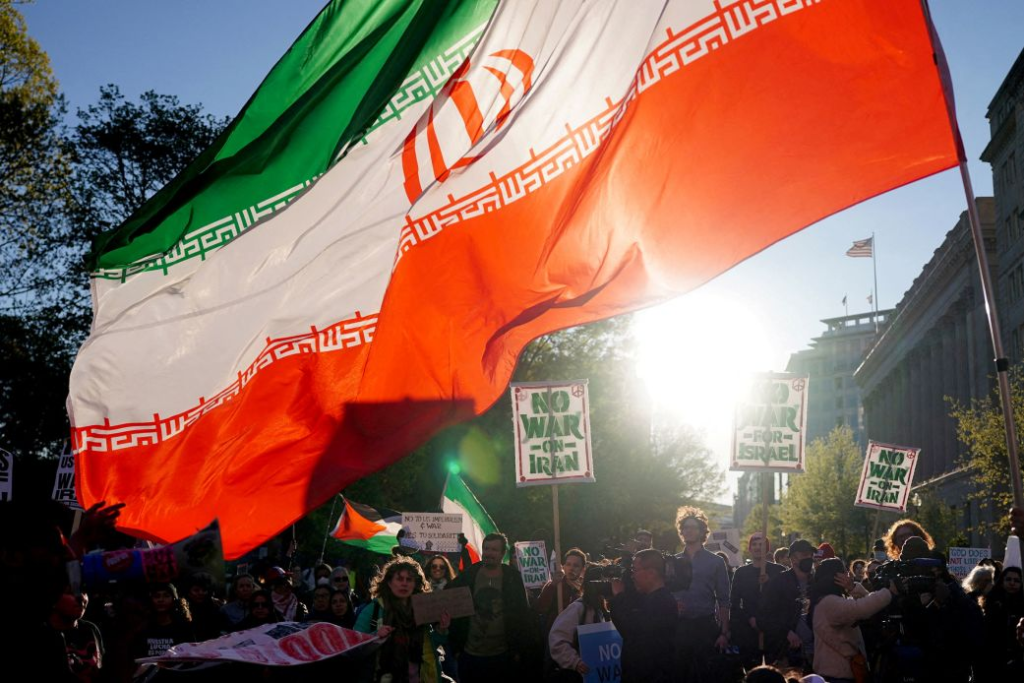
A larger war could involve multiple countries and create global security risks.
Possible Outcomes
The future of the Iran ceasefire depends on ongoing negotiations.
1. Ceasefire Extension
The agreement could be extended if talks go well.
2. Peace Agreement
A long-term deal may be reached to reduce tensions permanently.
3. Conflict Resumes
If negotiations fail, fighting could start again.
Iran’s Position
Iran has shown mixed responses regarding the ceasefire.
- It has participated in negotiations
- It has also demanded long-term solutions instead of temporary pauses
This shows that Iran is interested in stability but wants its concerns addresse
United States Role
The United States plays a major role in the Iran ceasefire situation.
Its approach includes:
- Diplomatic negotiations
- Economic pressure
- Military readiness
This combination affects how the situation develops.
What Happens Next?
The future of the Iran ceasefire will depend on:
- Continued negotiations
- Changes in military activity
- International involvement
The coming weeks and months are critical in determining whether peace can be maintained.
Final Thoughts
The Iran ceasefire is a crucial step toward reducing tensions in a highly sensitive region. While it has helped pause conflict, the situation remains complex and uncertain.
Understanding the role of Iran, global powers, and diplomatic efforts helps explain why this issue is so important.
The world is watching closely to see whether this ceasefire leads to lasting peace or if tensions rise again.
